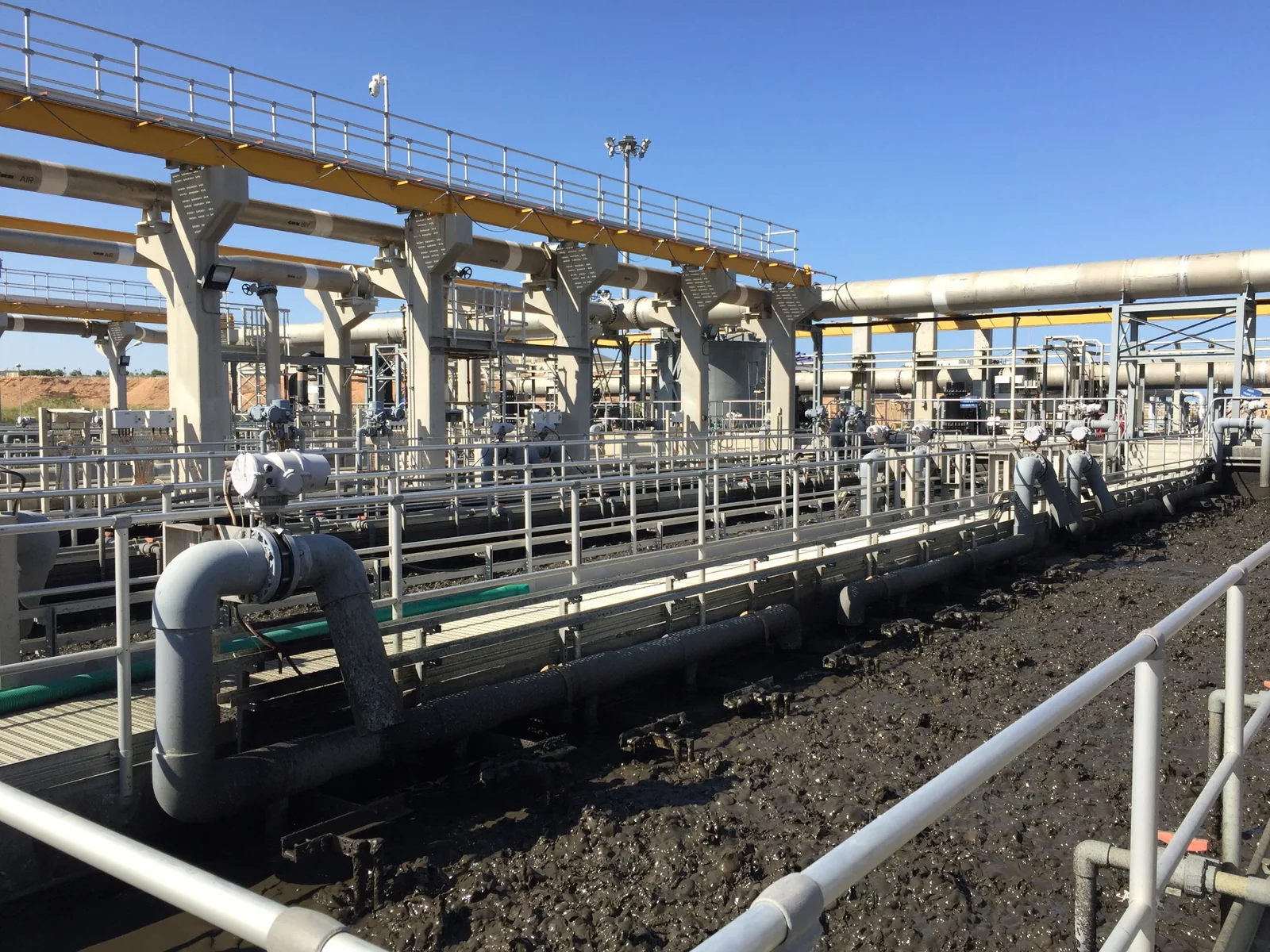
Al Plant, Oman

When a municipal wastewater project has to combine very high treatment capacity with consistent effluent quality, the margin for error becomes small. Al Plant in Oman shows how Kubota MBR technology can support large-scale treatment while also creating treated water for reuse in irrigation.
Project snapshot
- Capacity: 54,000 m3/day in Phase 1
- Expanded capacity: 125,000 m3/day in Phase 2
- Influent: municipal wastewater
- Start-up: 2006 for Phase 1, 2016 for Phase 2
- Gravity filtration applied
- Treated water reused for irrigation
Why was the plant upgraded?
The project had to bring together several important requirements:
- High treated-water quality
- Removal of helminth eggs
- Reuse of MBR permeate for irrigation
- A treatment concept that could scale over time
- Energy consumption control
That makes this project especially relevant for municipalities looking for more than capacity alone. The plant had to deliver both performance and a practical reuse outcome.
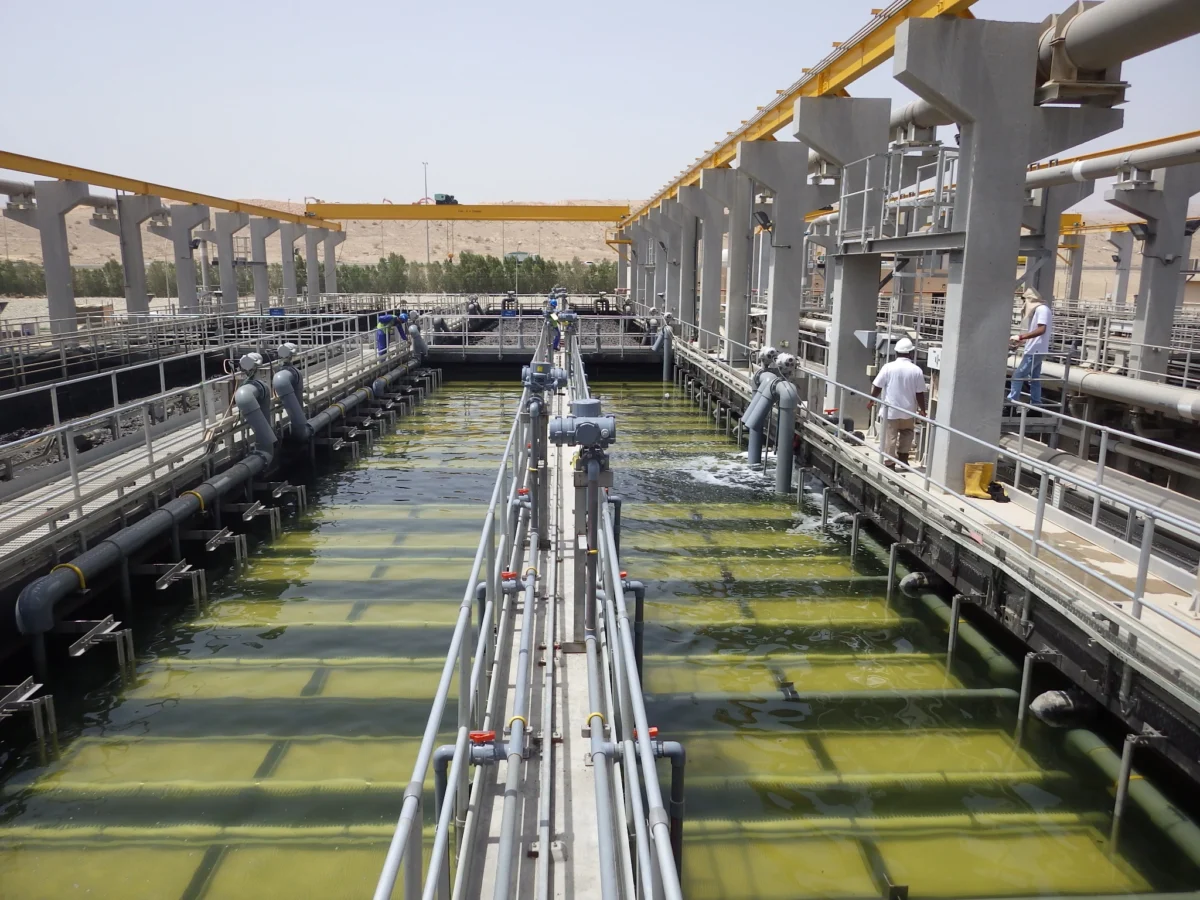
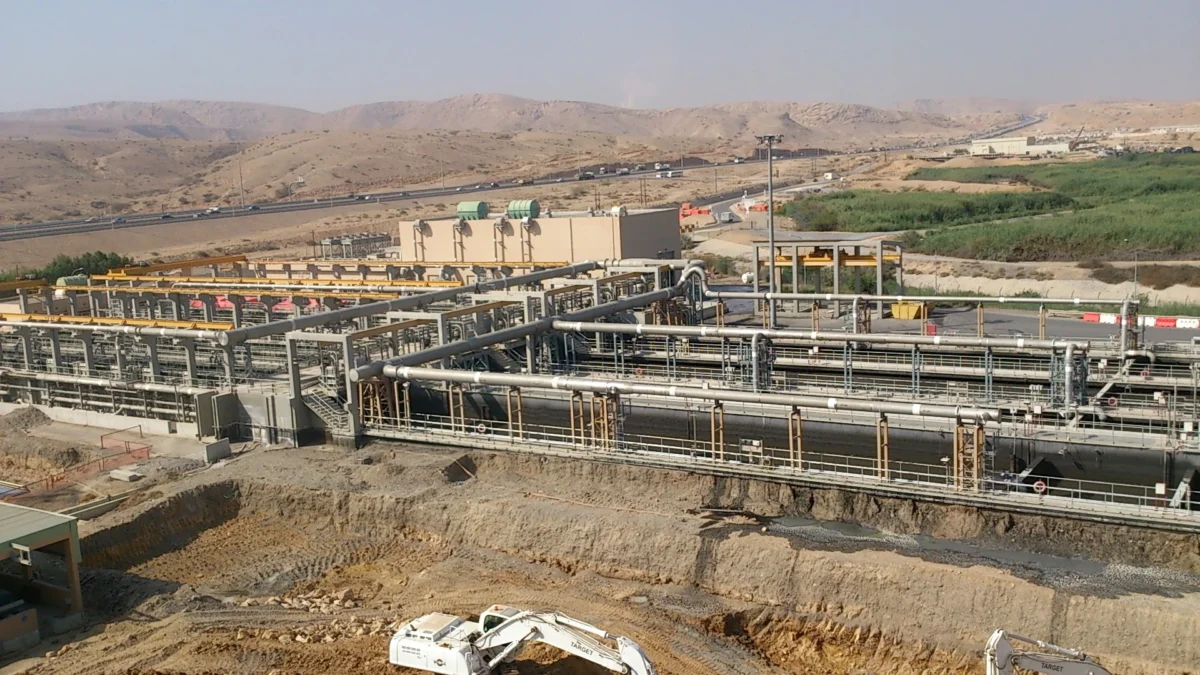
The challenge
At this scale, wastewater treatment is not only about building a bigger plant. The process has to remain stable, treated-water quality must stay consistent, and the reuse objective has to be practical in day-to-day operation. Energy consumption is also a major consideration, making OPEX a key part of the challenge.
In Oman, the challenge was therefore broader than throughput alone. The plant had to treat large municipal flows, control energy consumption, support irrigation reuse, and do so with a treatment concept that could be expanded as demand increased.
The solution
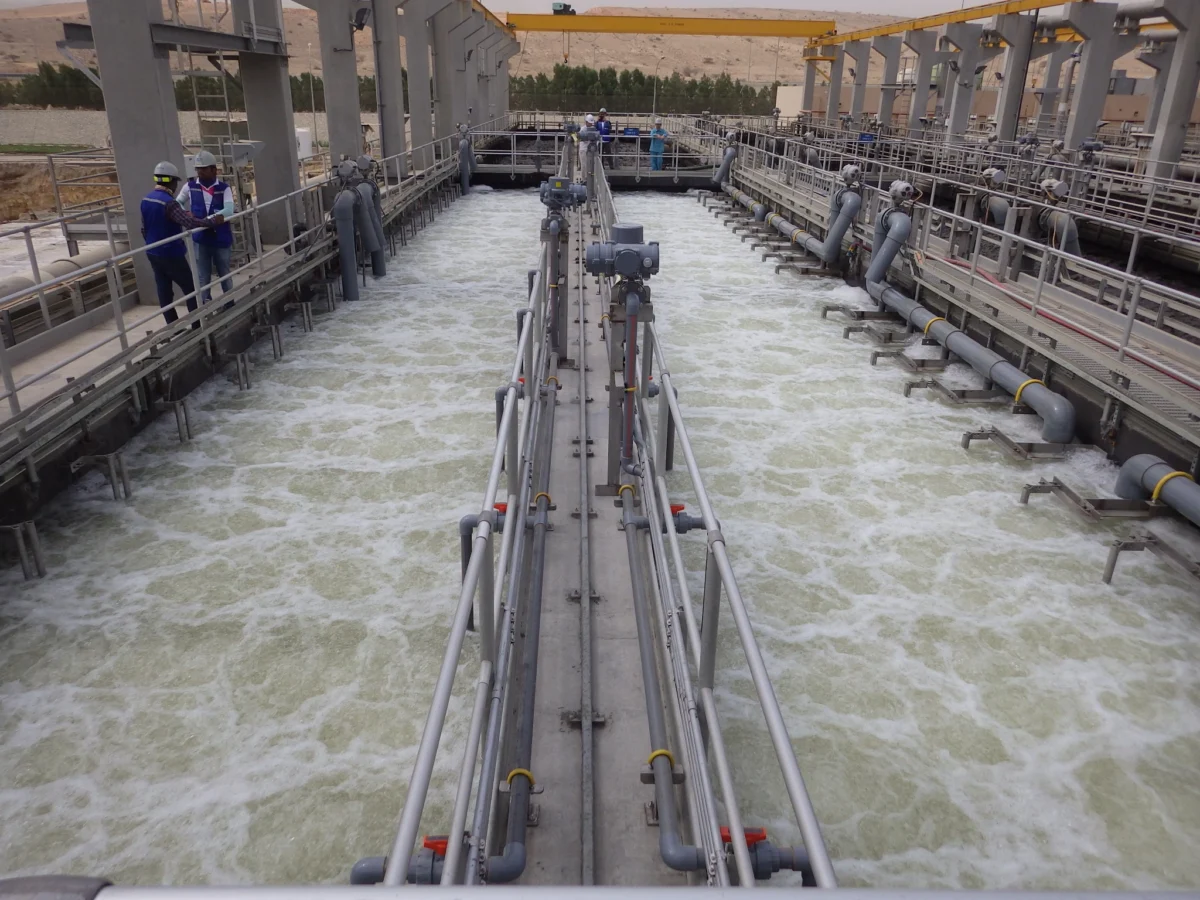
Kubota provided an MBR-based treatment approach using gravity filtration for permeate extraction, enabling high-capacity municipal treatment and reuse of the permeate for irrigation. This also helped reduce energy consumption by avoiding the need for large self-priming pumps, which would otherwise have to operate almost continuously at this scale.
What makes this case commercially relevant is not only the scale of the plant, but also the fact that MBR was used as part of a long-term infrastructure solution. The project demonstrates that high effluent quality and reuse can remain central even in a large municipal installation.
Outcome
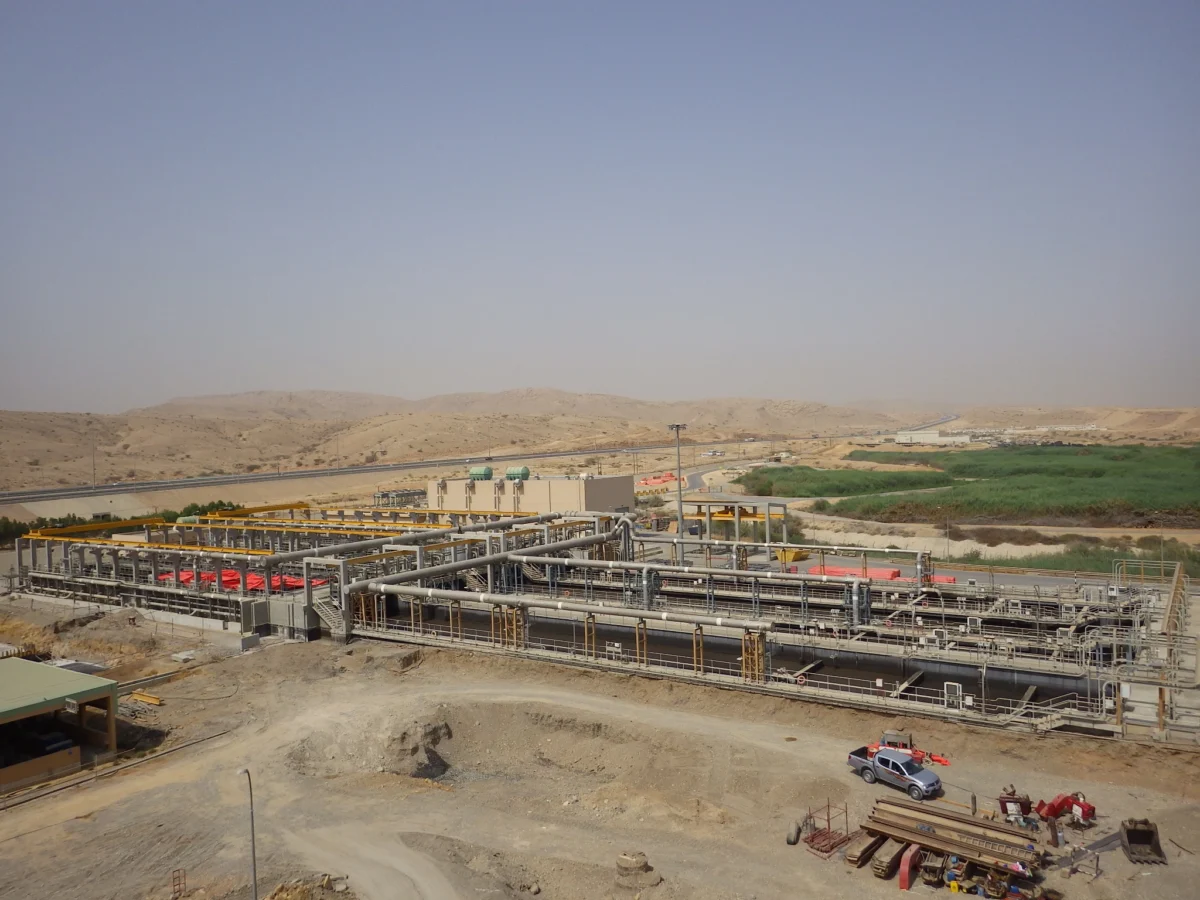
The plant moved from a Phase 1 capacity of 54,000 m3/day to 125,000 m3/day in Phase 2, while maintaining its role as a high-quality treatment and reuse asset.
Key outcomes include:
- 54,000 m3/day capacity in Phase 1
- Expansion to 125,000 m3/day in Phase 2
- Gravity filtration applied
- Reuse of treated water for irrigation
- Presented as the largest MBR plant in the Middle East
For municipalities planning large-scale treatment infrastructure, this shows that water quality and reuse do not need to be sacrificed as capacity grows.
What does this mean for similar plants?
Al Plant, sewage treatment plant in Oman, is a strong example for utilities that need to think at infrastructure scale while still keeping treated-water quality, reuse, and energy consumption control in focus. It shows that MBR is not limited to small or space-constrained sites. It can also support major municipal projects where expansion, consistency, energy consumption control, and reuse all matter.
On your side
On your side, when scale has to come with performance.
![C Company – Chile [industrial]](https://onyourside.kubota-mbr.com/app/uploads/2026/04/MBR-tank-2.png)
![P Plant – Brazil [industrial]](https://onyourside.kubota-mbr.com/app/uploads/2026/04/P-Plant_Brazil_2-800x427.webp)
![I Dyeing Plant – India [industrial]](https://onyourside.kubota-mbr.com/app/uploads/2026/04/MBR-tank.png)
![N Plant – Japan [municipal]](https://onyourside.kubota-mbr.com/app/uploads/2026/04/Nakahama2-800x439.webp)
![C Plant – USA [municipal]](https://onyourside.kubota-mbr.com/app/uploads/2026/04/C-Plant-USA-MBR-Tank.png)
![EJ Plant – Spain [municipal]](https://onyourside.kubota-mbr.com/app/uploads/2026/04/Permeate-pipe-Guide-pipe-Air-pipe-800x1067.jpg)
![S Plant – Spain [municipal]](https://onyourside.kubota-mbr.com/app/uploads/2026/04/image-1.png)