
Upgrading a conventional process with gravity-filtration MBR technology
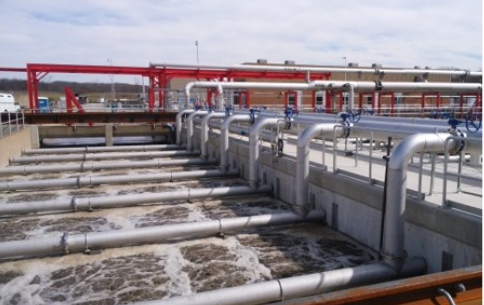
Reference Case
C Plant, USA
When a large municipal plant faces tighter discharge requirements, the challenge is rarely just technical. The real question is how to improve treatment performance without triggering a major expansion project. This case study is a strong example of how Kubota helped strengthen effluent quality and prepare for stricter nutrient limits without constructing a new tank.
Project snapshot
- Capacity: 159,000 m3/day
- Influent: municipal wastewater
- Start-up: 2017
- Gravity filtration applied
- Upgrade of a conventional treatment process without constructing a new tank
Why was the plant upgraded?
The plant needed to respond to new and future effluent requirements while avoiding the cost, footprint, and disruption of additional civil works.
Key drivers included:
- Compliance with a new total phosphorus limit
- Preparation for future total nitrogen limits
- No need to construct a new tank
- Energy consumption control
For many utilities, that is a familiar situation. Standards move forward, but the site and the investment logic do not always allow for a conventional expansion route.
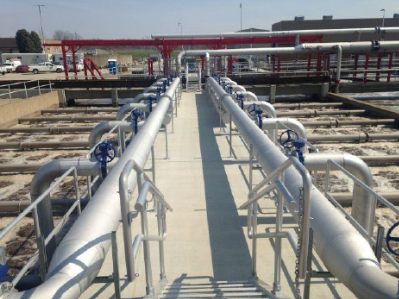
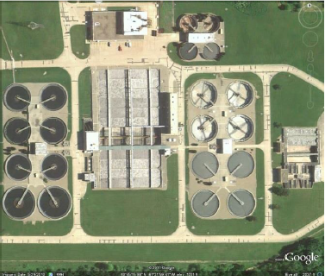
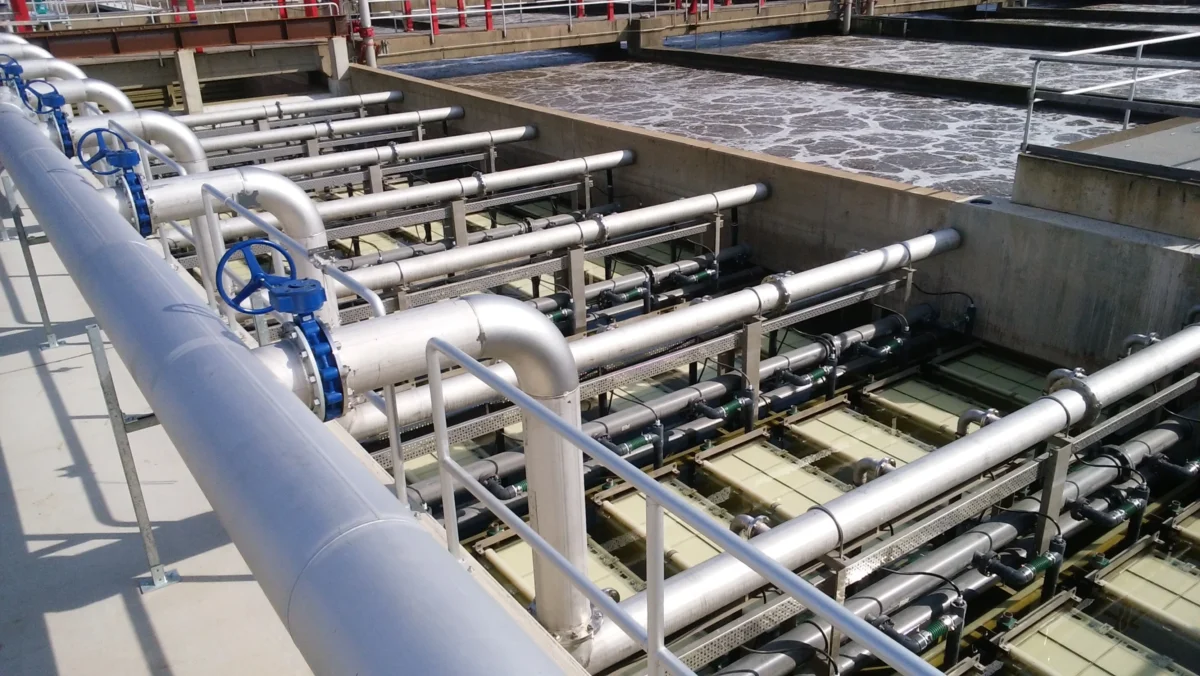
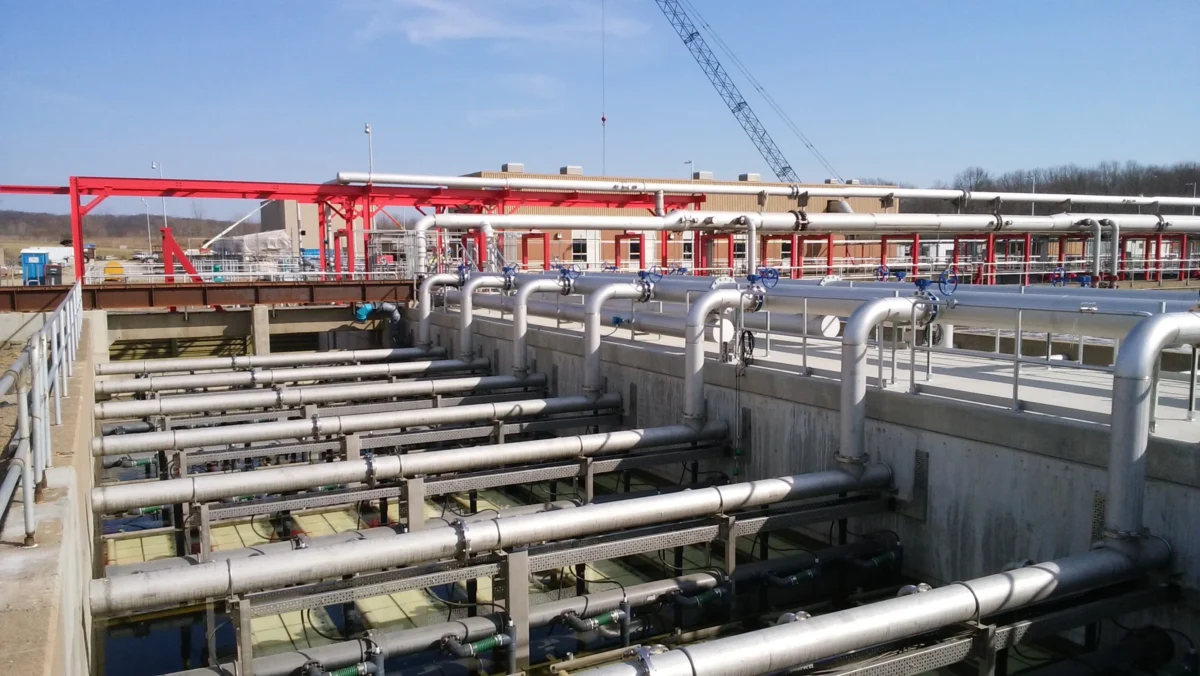
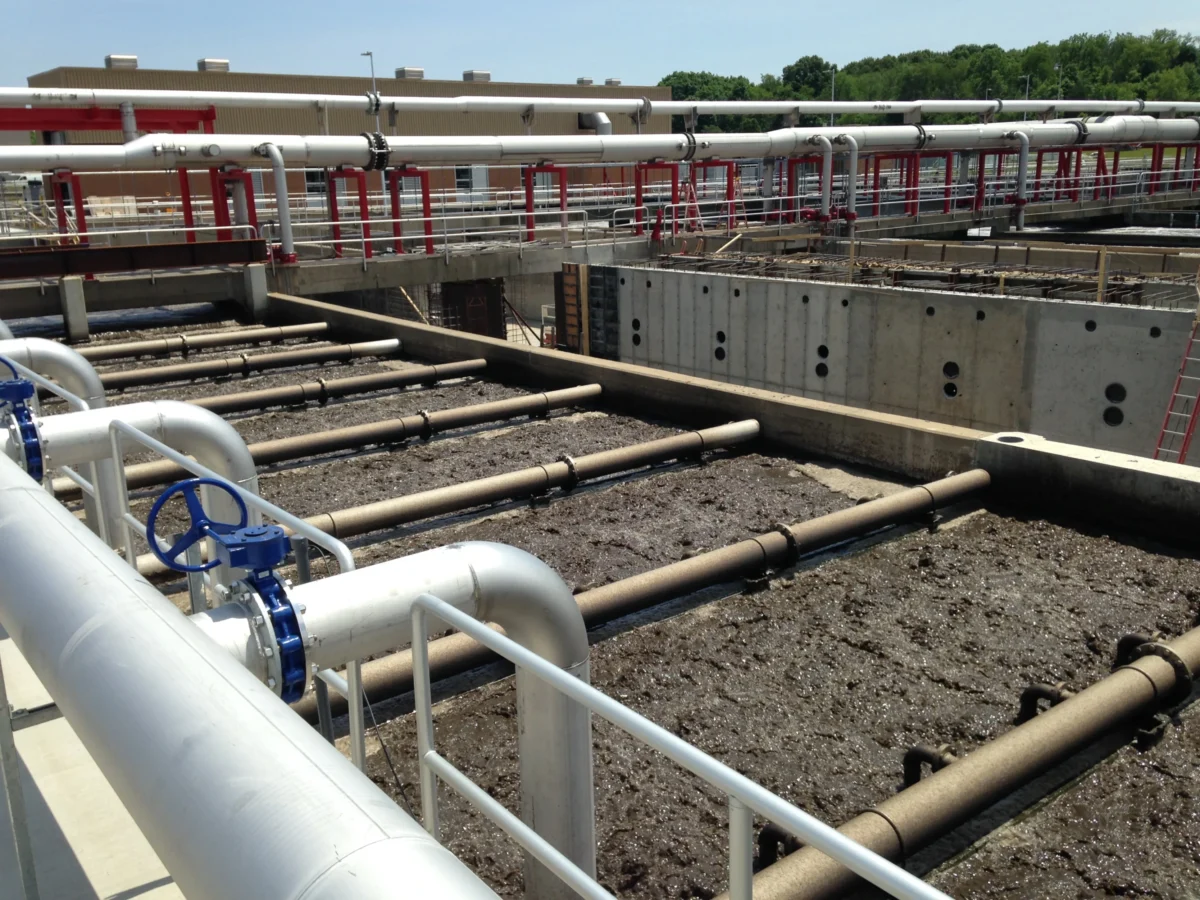
1|5
The challenge
At this scale, upgrading treatment performance is not simply about adding equipment. The plant has to remain stable in operation, effluent quality has to be reliable, energy consumption has to be as low as possible, and the upgrade has to fit within the practical limits of the existing site.
The challenge for this plant was clear: improve nutrient-related performance using the existing infrastructure and support future compliance goals, without turning the project into a major new-build exercise.
The solution
Kubota provided an MBR-based upgrade using gravity filtration. This made it possible to improve the conventional process without adding a new tank and without using large self-priming pumps to draw the permeate, while also supporting stronger effluent quality and a more compact upgrade approach.
Gravity filtration is especially relevant at this scale. It offers a more efficient permeate extraction concept and helps avoid the operating burden that can come with large continuously running pump systems at very high flow rates.
Outcome
The project strengthened effluent performance while avoiding major new civil works.
Key outcomes include:
- Capacity of 159,000 m3/day
- Gravity filtration applied
- Improvement of the existing conventional process without constructing a new tank
- Designed effluent targets of:
TSS: 12 mg/L
BOD5: 10 mg/L
NH3-N: 1.85 mg/L
T-N: 8.0 mg/L
T-P: <1 mg/L
Turbidity: 1.0 NTU
Fecal coliforms: 1000/100 ml
What does this mean for similar plants?
C Plant, USA, is a valuable example for utilities that need to tighten effluent standards without defaulting to major expansion. It shows that a conventional plant can be upgraded more compactly while still supporting stronger nutrient performance and a practical long-term compliance strategy. The project also highlights the importance of gravity filtration as a lower-energy permeate extraction method, helping reduce OPEX and strengthen the feasibility of large municipal MBR applications.
On your side
On your side, when stricter limits demand more from the plant you already have.
Browse our other case studies
![C Company – Chile [industrial]](https://onyourside.kubota-mbr.com/app/uploads/2026/04/MBR-tank-2.png)
![P Plant – Brazil [industrial]](https://onyourside.kubota-mbr.com/app/uploads/2026/04/P-Plant_Brazil_2-800x427.webp)
![I Dyeing Plant – India [industrial]](https://onyourside.kubota-mbr.com/app/uploads/2026/04/MBR-tank.png)
![N Plant – Japan [municipal]](https://onyourside.kubota-mbr.com/app/uploads/2026/04/Nakahama2-800x439.webp)
![Al Plant – Oman [municipal]](https://onyourside.kubota-mbr.com/app/uploads/2026/04/Al-Ansab-Reference-800x600.webp)
![EJ Plant – Spain [municipal]](https://onyourside.kubota-mbr.com/app/uploads/2026/04/Permeate-pipe-Guide-pipe-Air-pipe-800x1067.jpg)
![S Plant – Spain [municipal]](https://onyourside.kubota-mbr.com/app/uploads/2026/04/image-1.png)
1|7