
Upgrading an existing plant for agricultural water reuse
Reference Case
EJ Plant, Spain
In water-stressed regions, treated wastewater can become an important additional water source. This case study shows how an existing municipal plant was upgraded to increase capacity and produce treated water for agricultural irrigation.
Project snapshot
- Capacity: 9,500 m3/day
- Influent: municipal wastewater
- Start-up: 2024
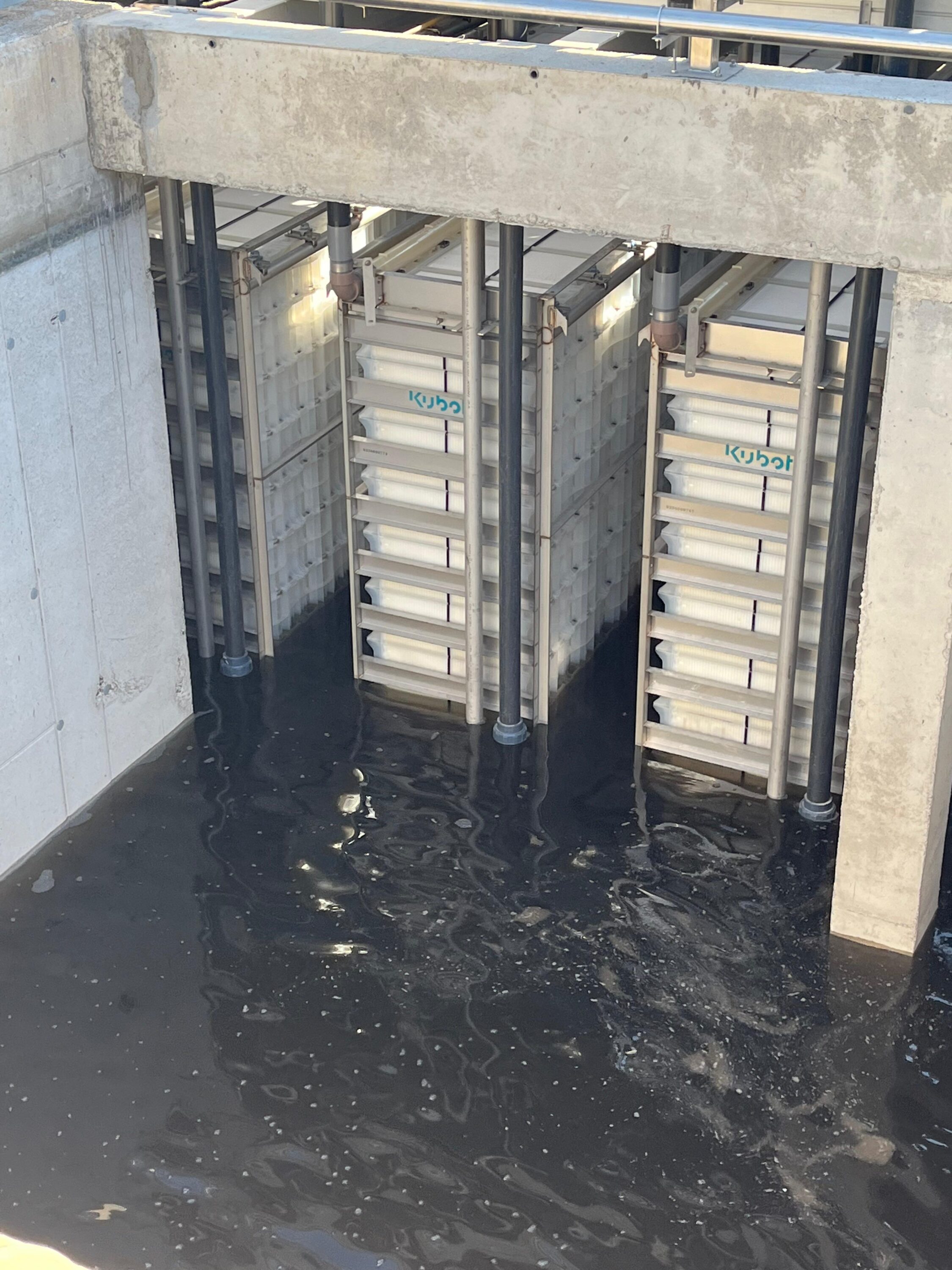
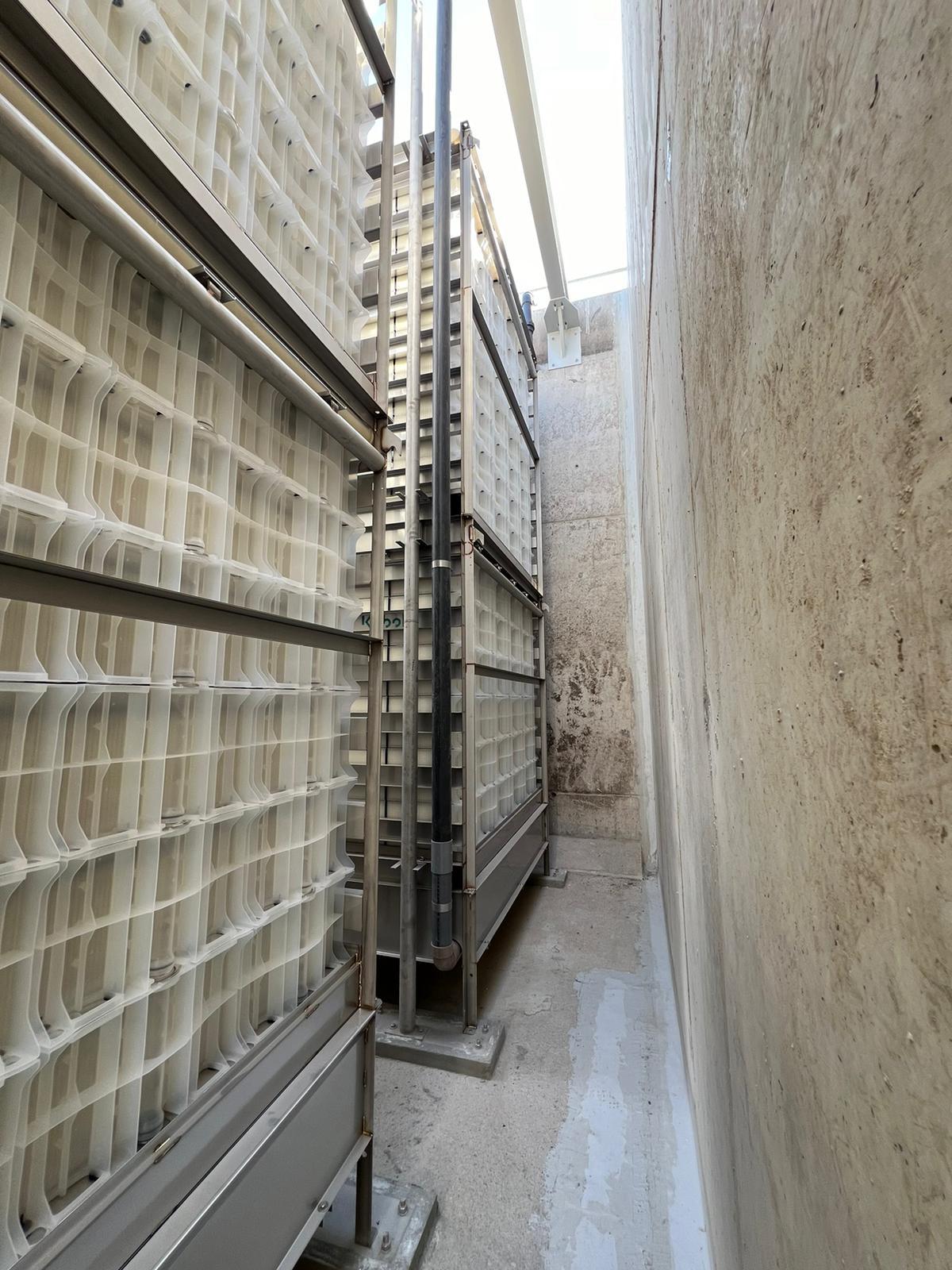
- Upgrade of one of the two treatment trains from CAS (5,000 m3/day) to MBR (9,500 m3/day)
- Second treatment train to be converted to MBR in the future
- Process configuration: MBR + UV
- Reuse application: irrigation in agricultural greenhouses
Why was the plant upgraded?
The plant needed to achieve several goals at the same time:
- Increase treatment capacity
- Reuse the treated effluent for irrigation
- Comply with nutrient removal requirements
- Continue using the existing tanks, as the site is surrounded by greenhouses and offers limited space for new civil works
For municipalities facing water scarcity, that combination is highly relevant. The plant needed to do more than meet discharge requirements. It needed to support a practical reuse application.
1|3
The challenge
The challenge was to increase plant performance while producing treated water suitable for agricultural reuse. The MBR effluent had to meet Class A requirements for irrigation reuse under the European Urban Wastewater Treatment Directive, without moving straight to a completely new treatment facility.
The solution
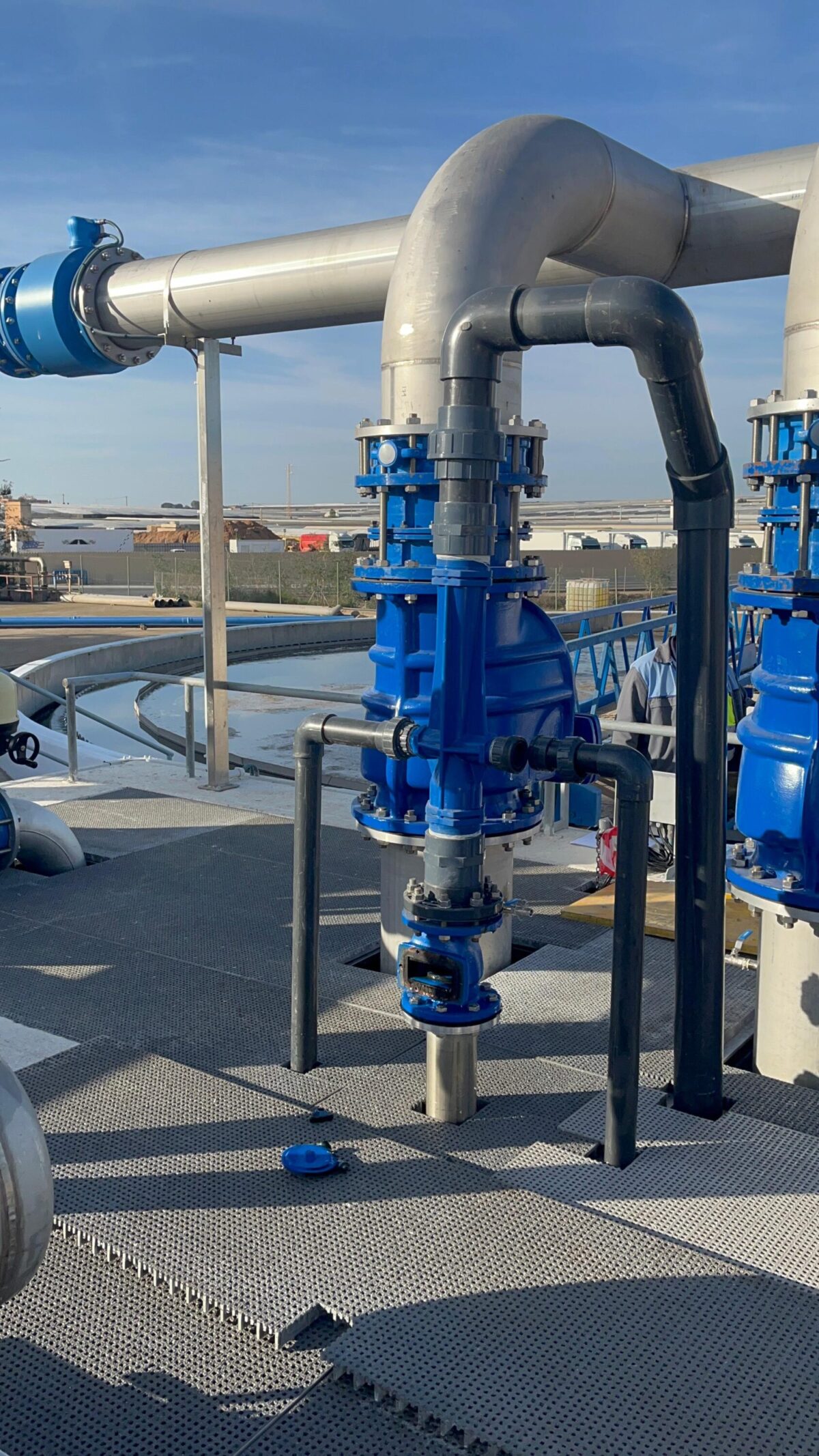
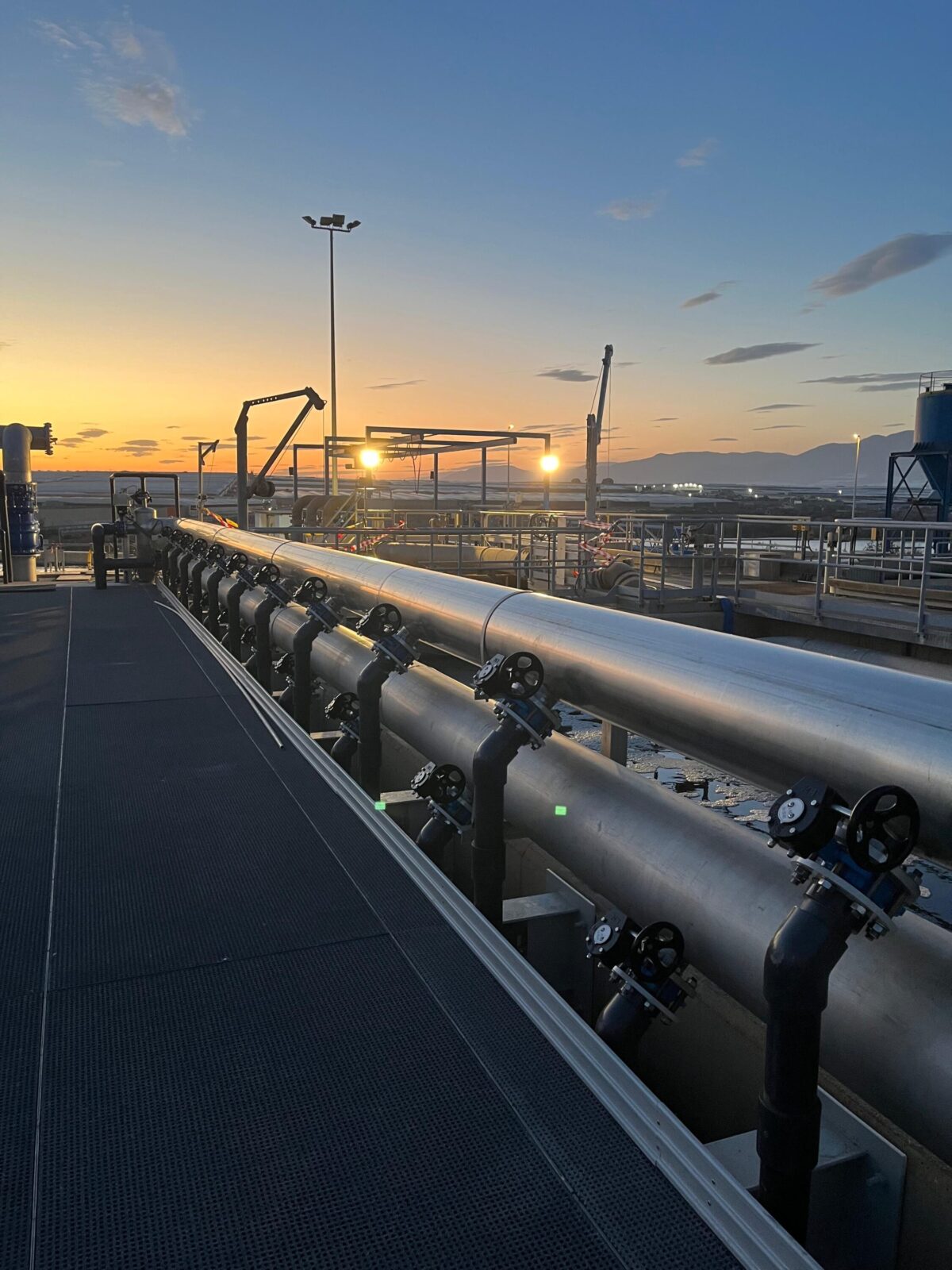
Kubota provided an MBR-based upgrade for the existing CAS plant, combined with UV treatment. This created a compact route to higher treated-water quality and made the effluent suitable for agricultural reuse.
The strength of this approach lies not only in the upgrade itself, but also in the proven reuse capability of the membrane technology behind it. Kubota membranes have been validated in California under the Water Research Foundation’s Membrane Bioreactor Validation Protocols for both direct and indirect potable reuse. In Europe, the same treatment approach supports compliance with the new EU reuse standards for applications such as agricultural irrigation.
For municipalities facing similar conditions, this shows that an existing asset can be upgraded not only for more capacity, but also for a higher and more reliable reuse standard.
Outcome
The upgrade delivered a clear step forward in both treatment performance and water reuse. Instead of treating the plant purely as a discharge asset, the project turned it into a treatment and reuse asset at the same time.
Key outcomes include:
- Increased plant capacity of one treatment line from 5,000 m3/day to 9,500 m3/day
- Treated effluent reused for irrigation
- MBR + UV process configuration to support reuse quality
- Upgrade of the existing plant rather than full replacement
What does this mean for similar plants?
This plant is a useful example for municipalities that need to treat wastewater not only as something to discharge, but as something to recover and reuse. It shows how an existing plant can be upgraded to increase capacity while also supporting a higher-value water application.
On your side
On your side, when treated wastewater needs to become a dependable water source.
Browse our other case studies
![C Company – Chile [industrial]](https://onyourside.kubota-mbr.com/app/uploads/2026/04/MBR-tank-2.png)
![P Plant – Brazil [industrial]](https://onyourside.kubota-mbr.com/app/uploads/2026/04/P-Plant_Brazil_2-800x427.webp)
![I Dyeing Plant – India [industrial]](https://onyourside.kubota-mbr.com/app/uploads/2026/04/MBR-tank.png)
![N Plant – Japan [municipal]](https://onyourside.kubota-mbr.com/app/uploads/2026/04/Nakahama2-800x439.webp)
![Al Plant – Oman [municipal]](https://onyourside.kubota-mbr.com/app/uploads/2026/04/Al-Ansab-Reference-800x600.webp)
![C Plant – USA [municipal]](https://onyourside.kubota-mbr.com/app/uploads/2026/04/C-Plant-USA-MBR-Tank.png)
![S Plant – Spain [municipal]](https://onyourside.kubota-mbr.com/app/uploads/2026/04/image-1.png)
1|7